




Aluminium’s versatility is ensured through appropriate surface protection, as raw aluminium oxidizes quickly in the air. Its natural protective ability through oxide layer formation is significantly improved by the anodizing process. The treated surface is resistant to weather, mechanical, and some chemical influences. High-quality and aesthetically demanding bulk component anodizing is ensured, with a focus on special effects.
Examples of treatments: VZORCNIK.pdf
Maximum workpiece size: 3500 × 600 × 1550 mm.
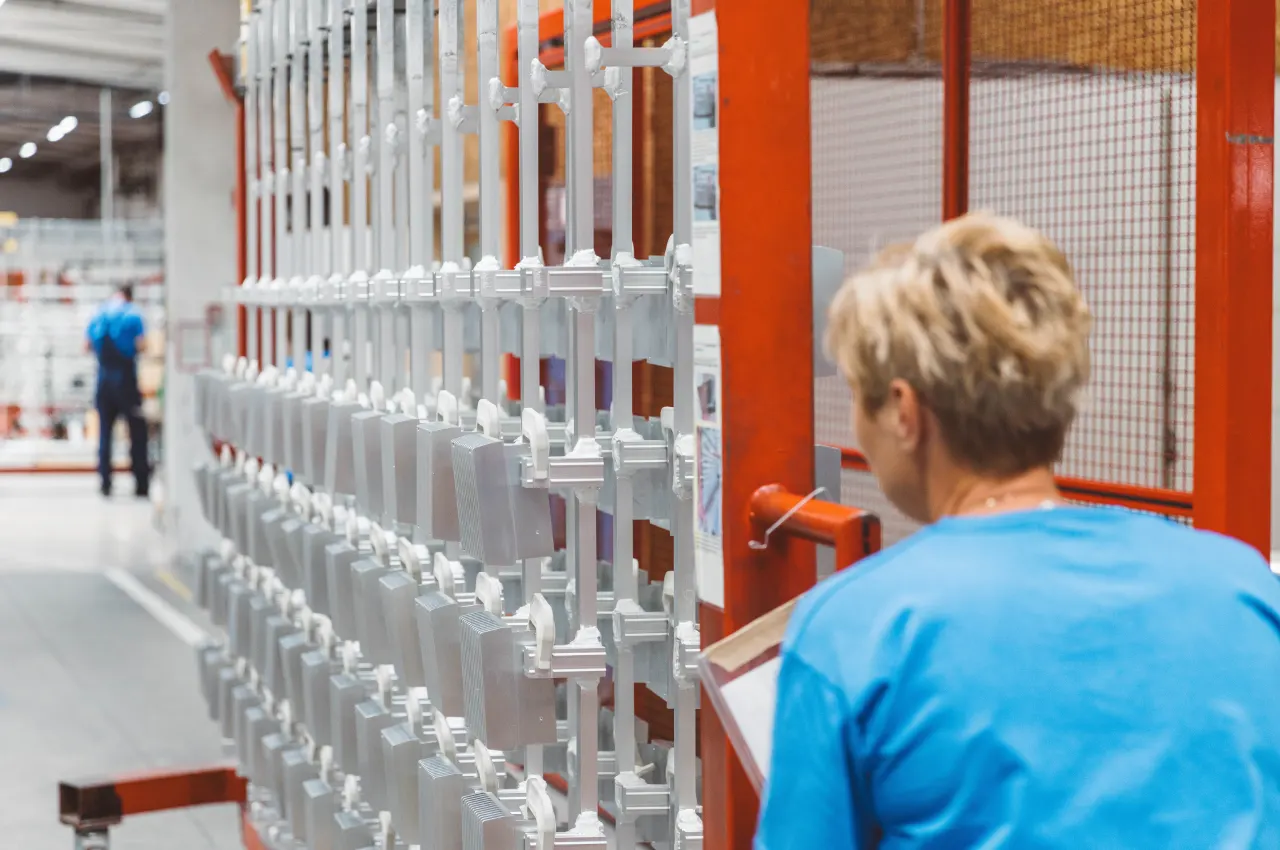
Aluminium products gain a special appearance through mechanical and chemical pre-treatments. Minor surface defects are removed, and a uniform look is achieved, preparing the surface for further treatment.
Pre-treatments:
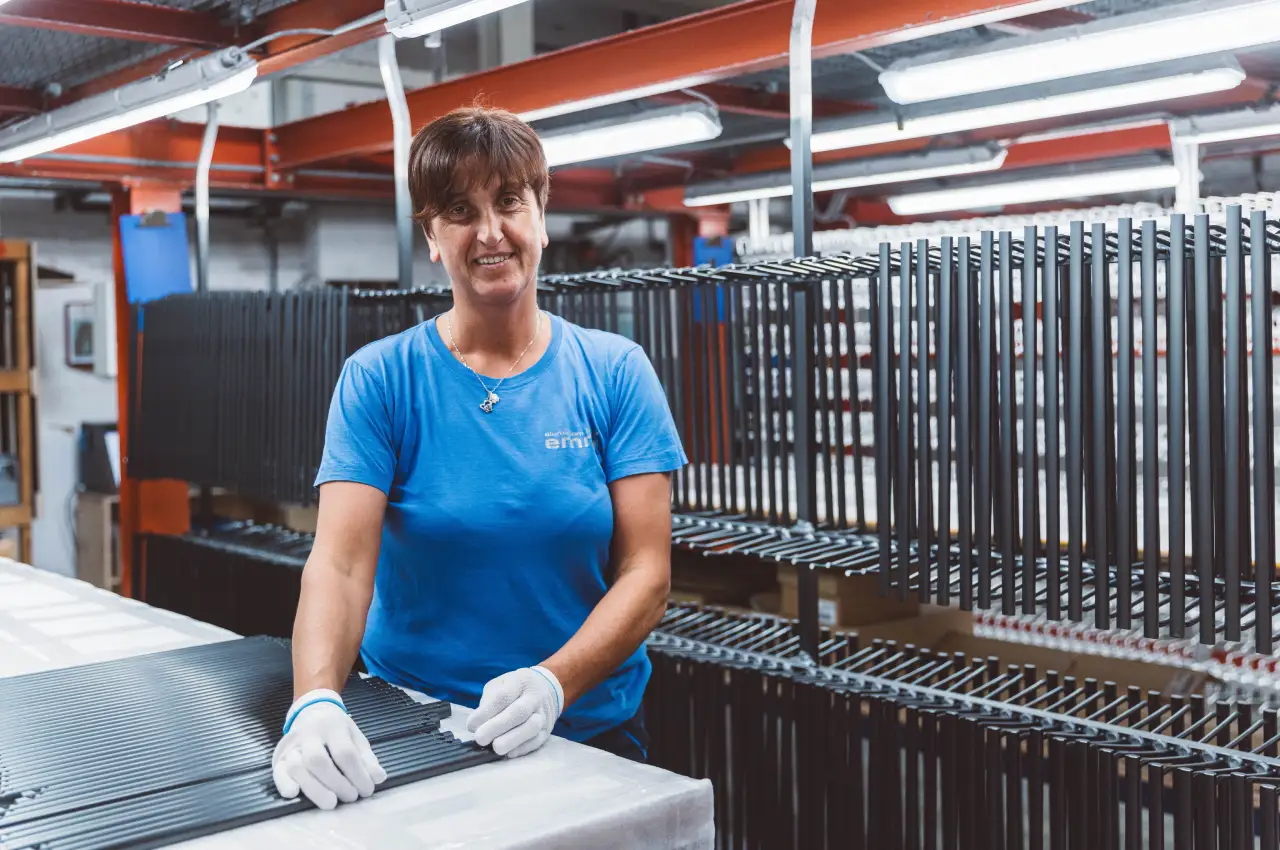
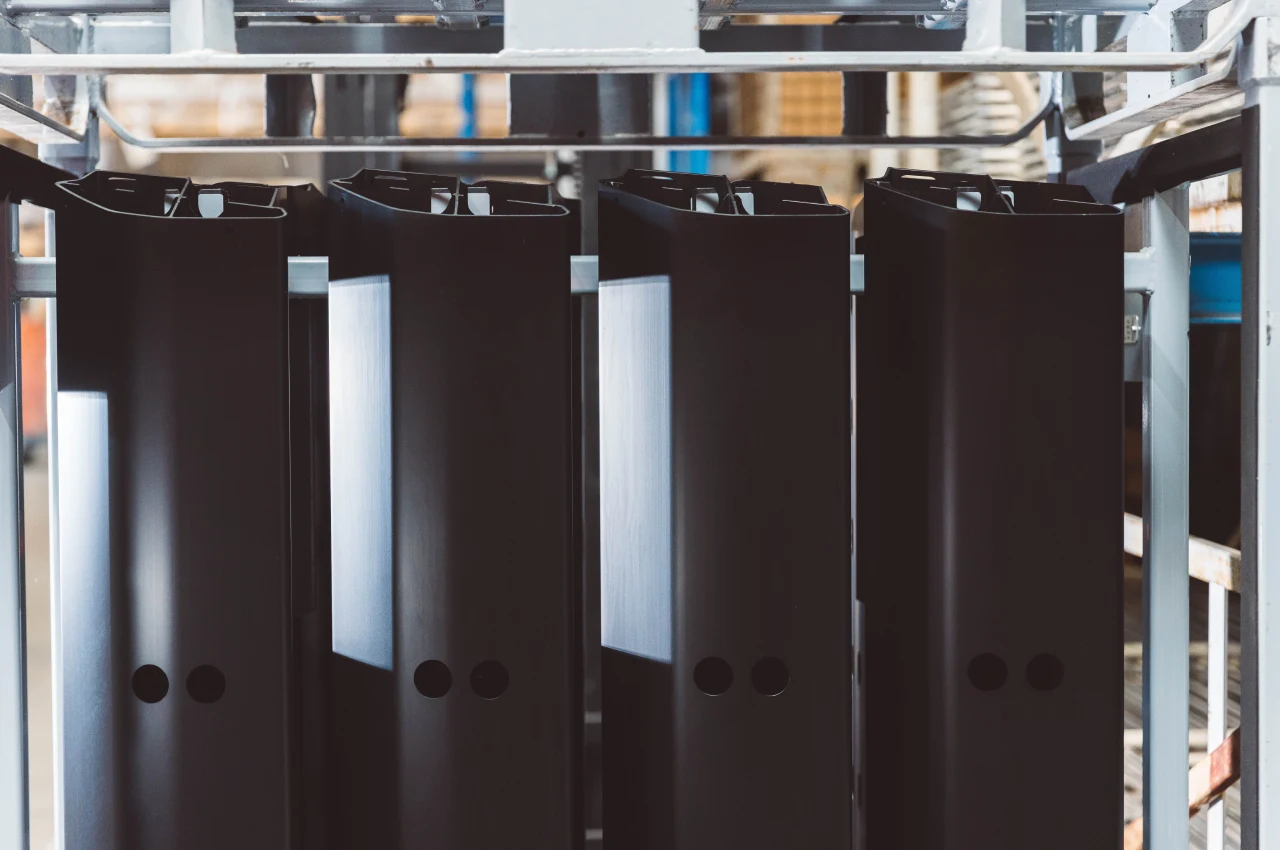
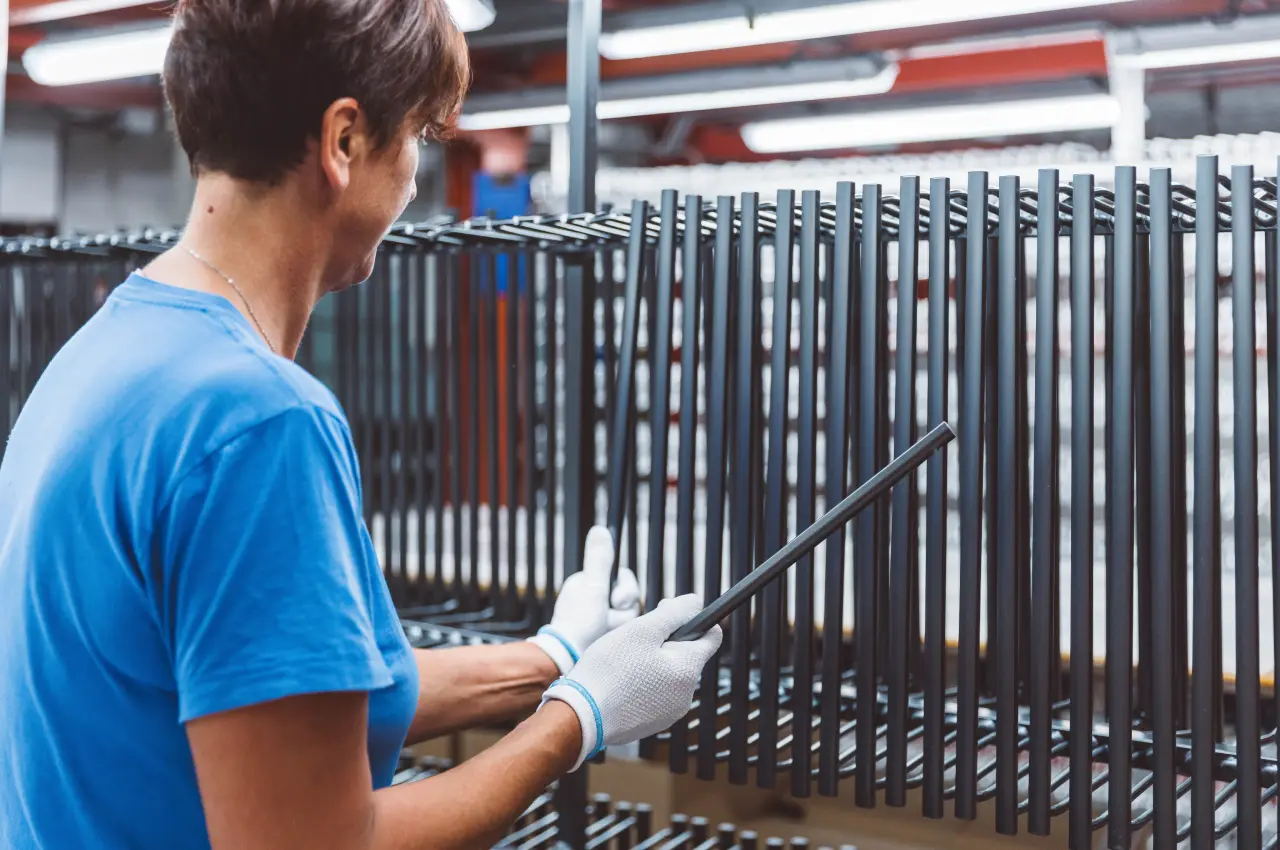
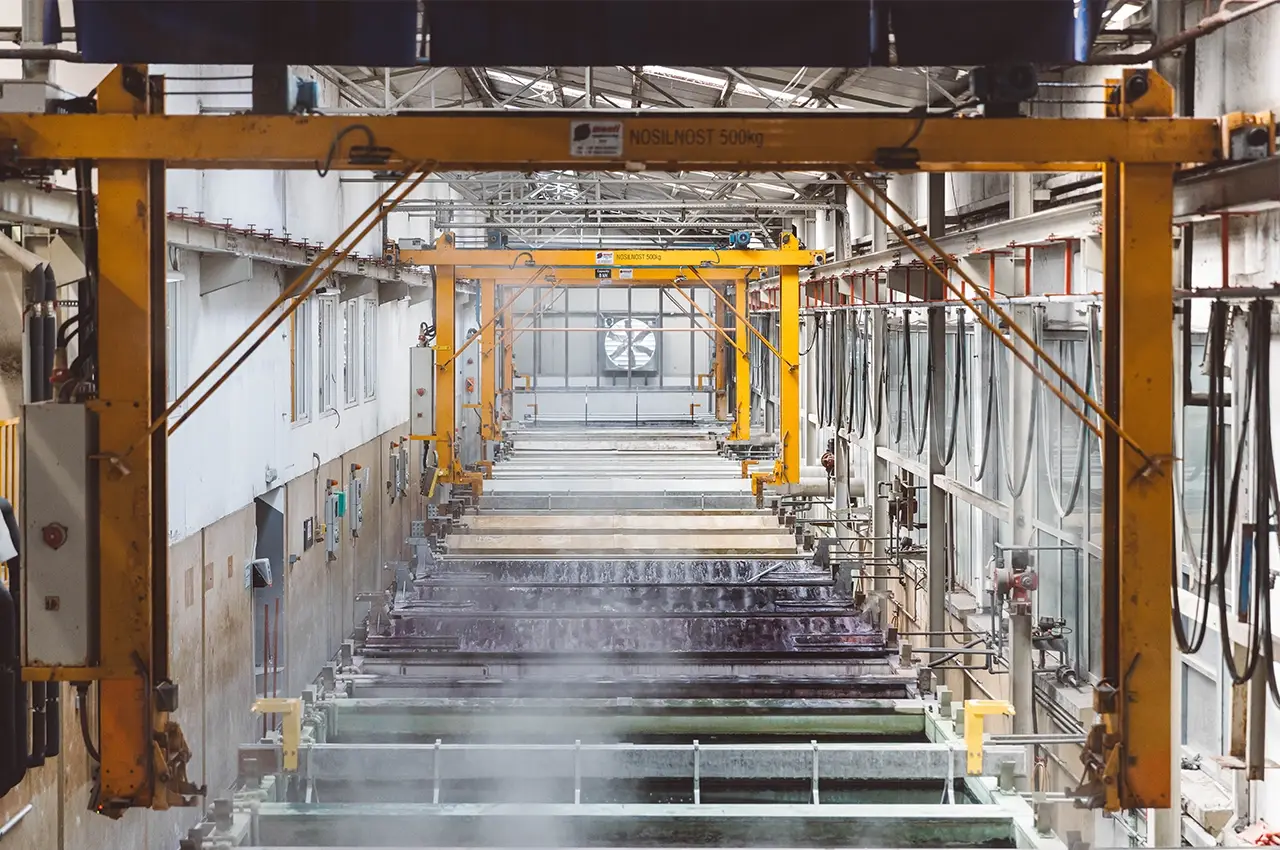
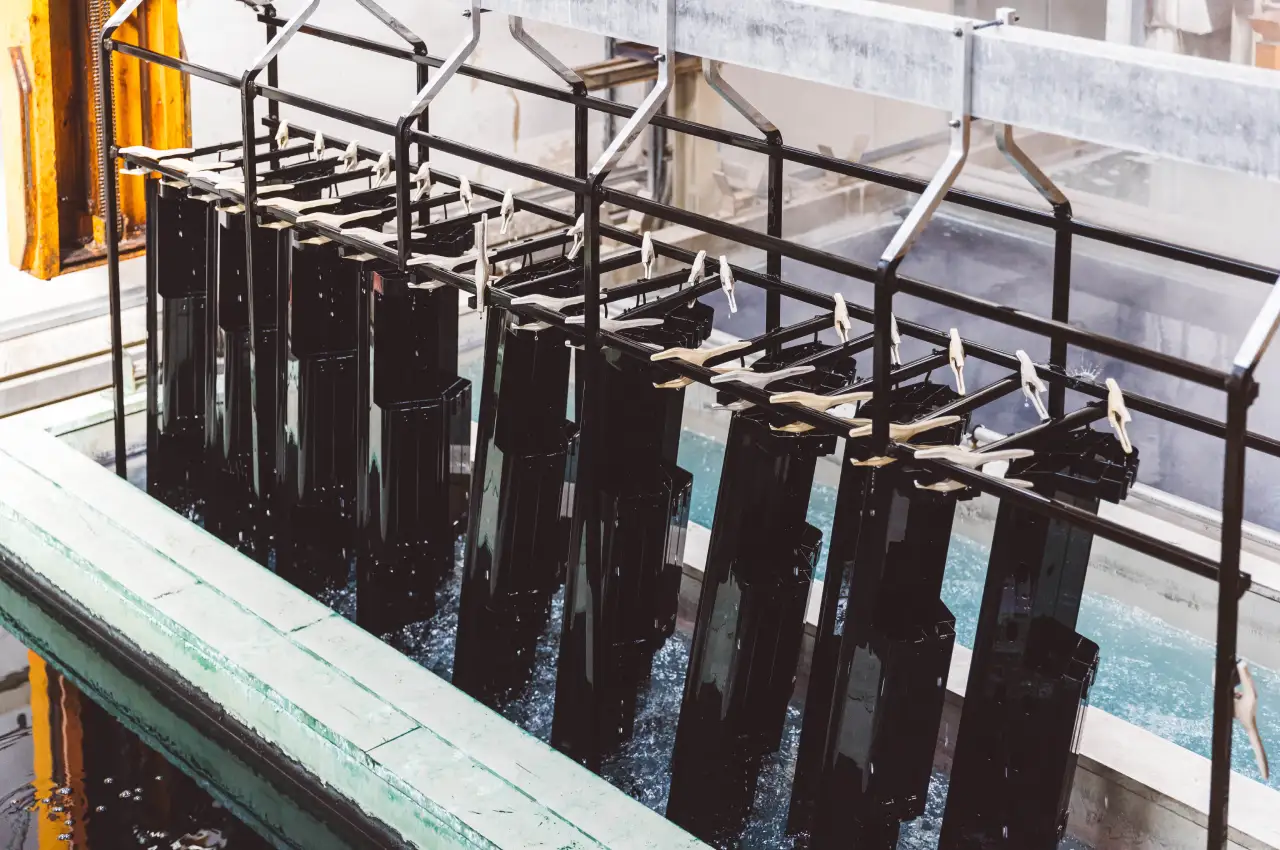
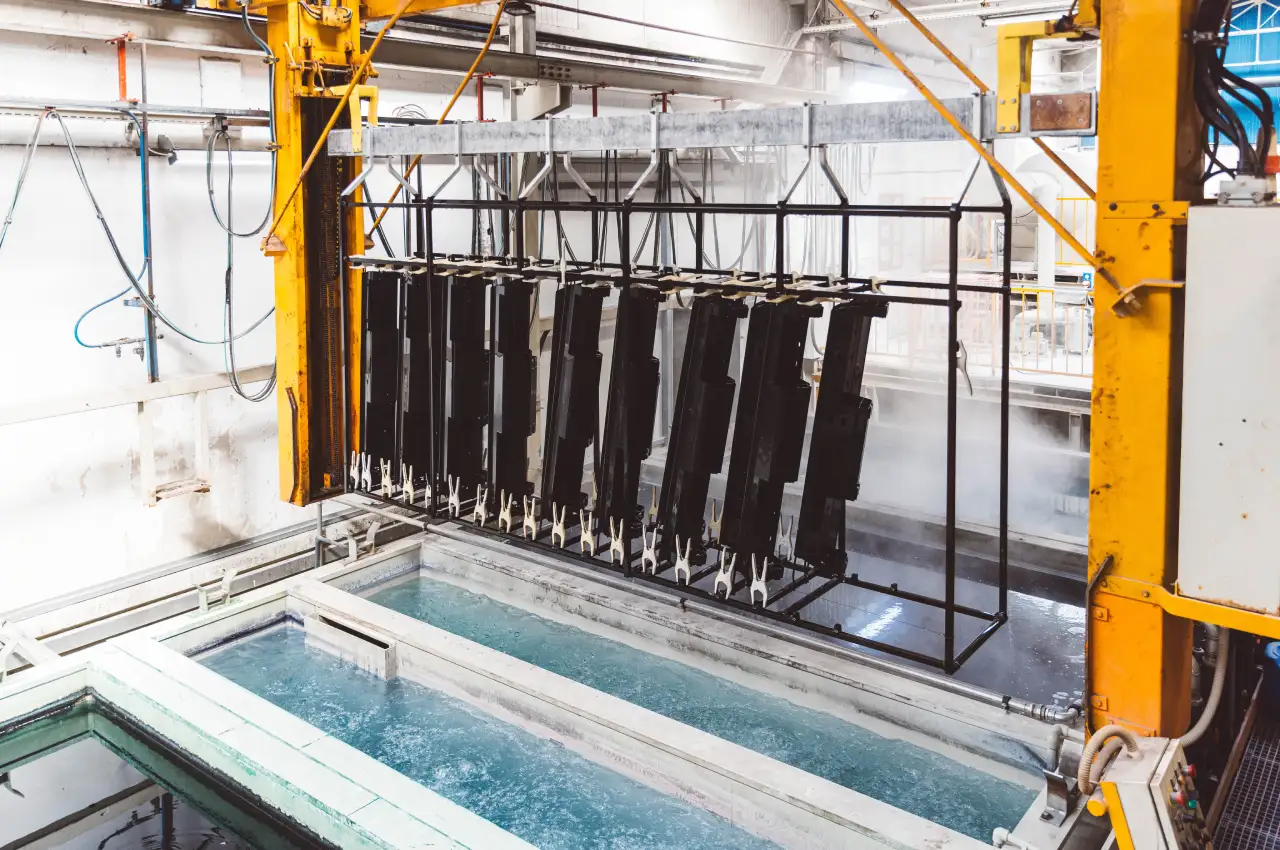
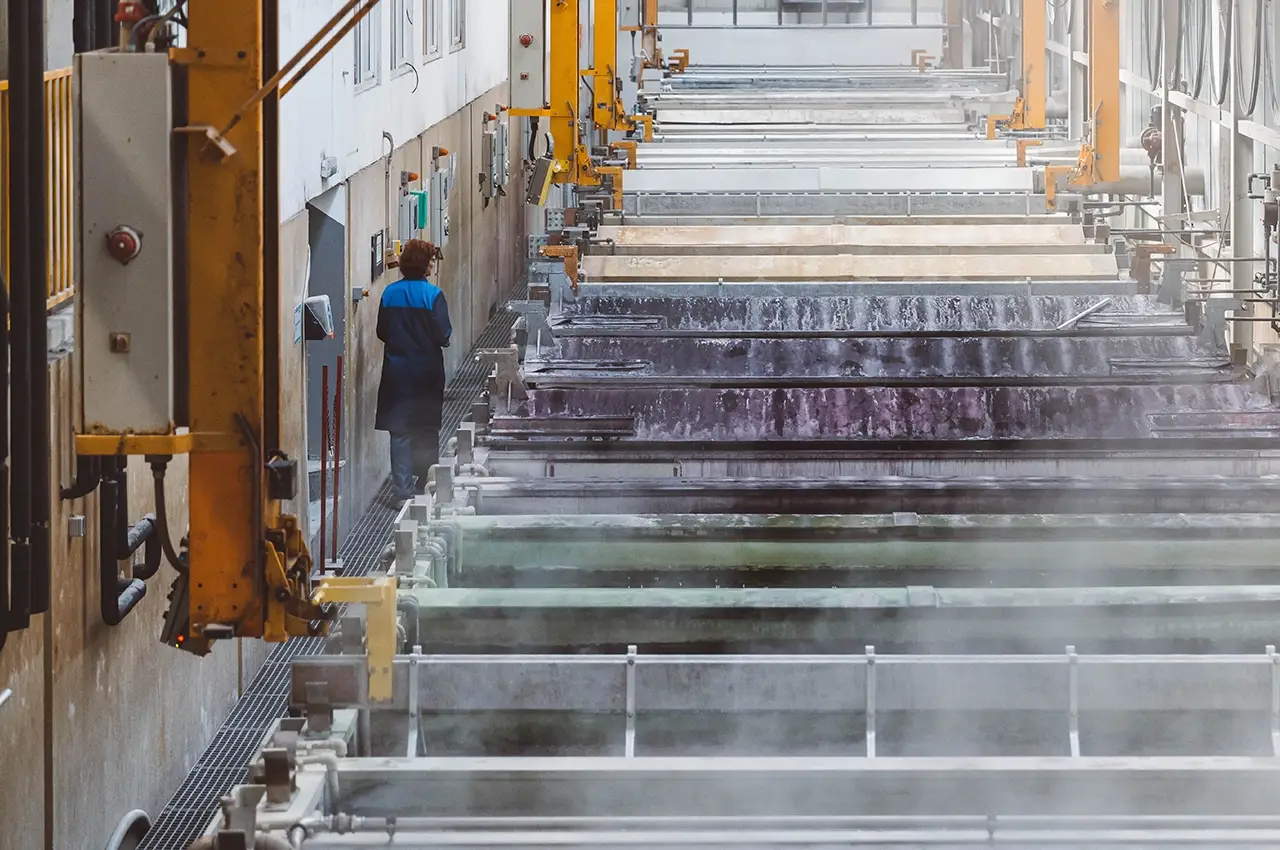
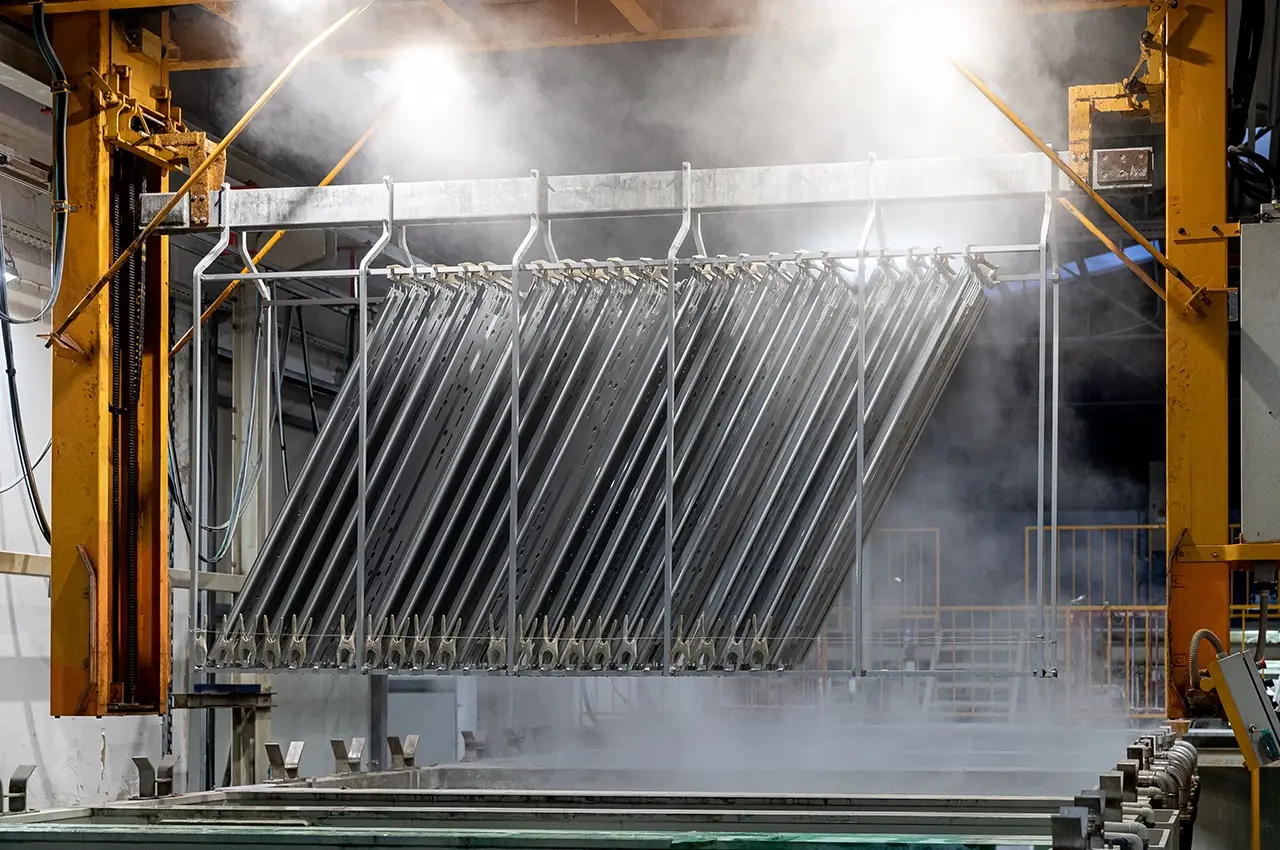
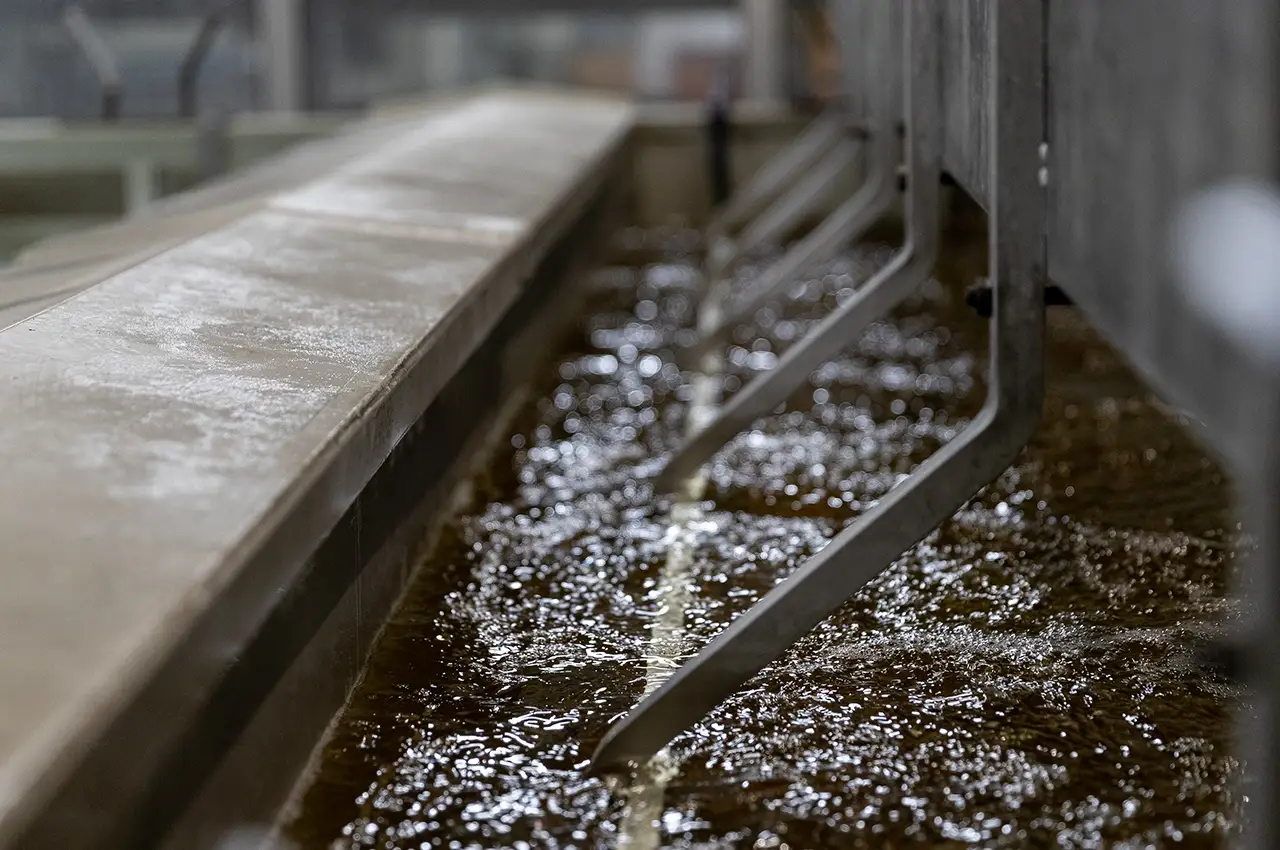
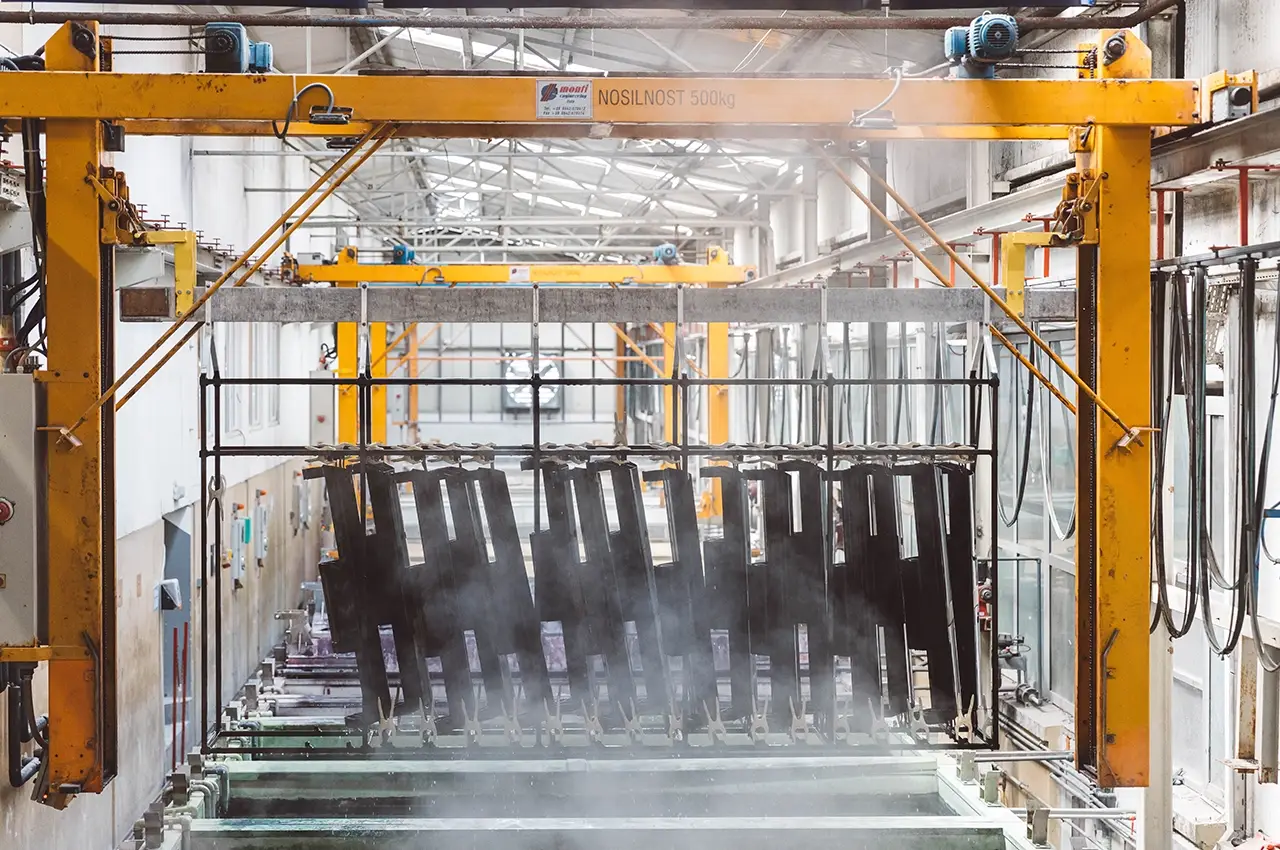
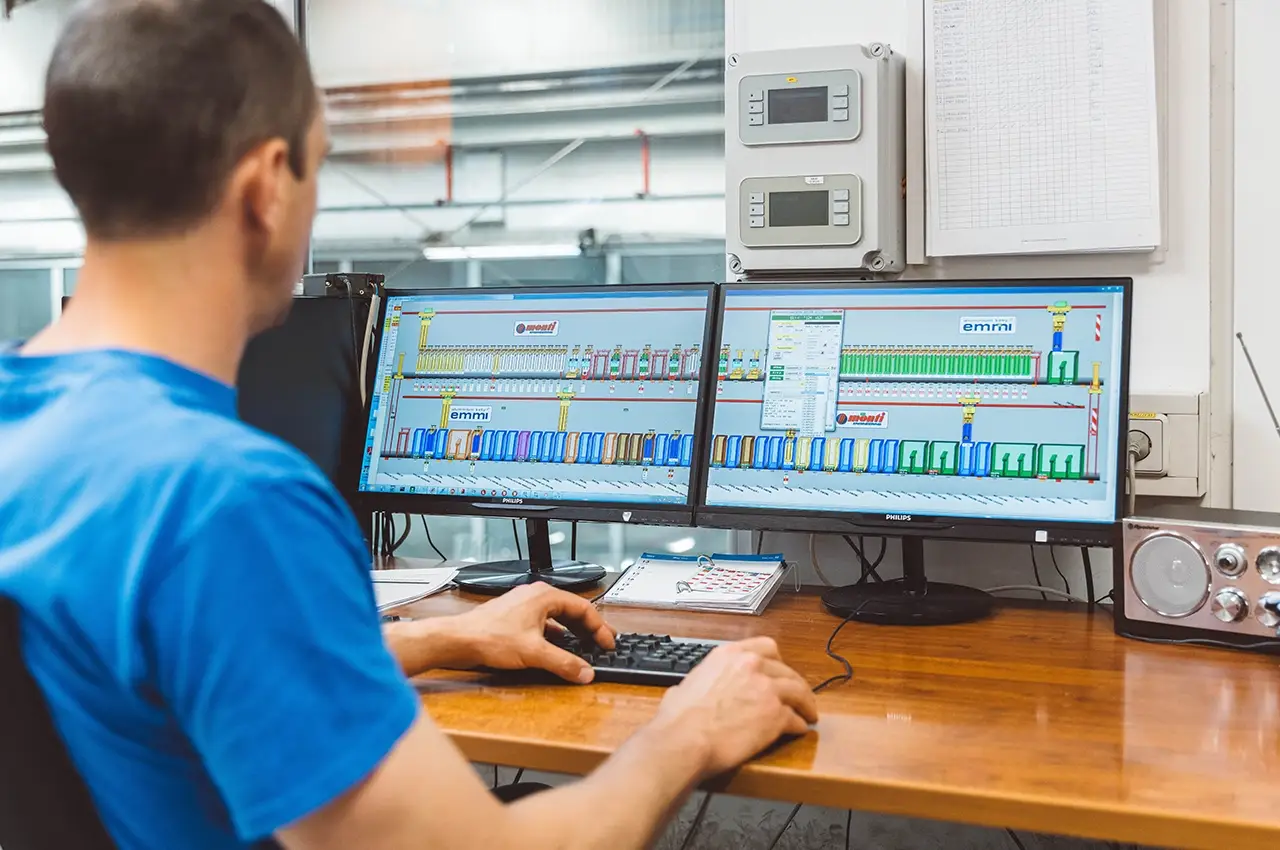
An electrochemical process that creates a thicker oxide layer on aluminium, protecting the surface and enabling various color shades through additives.
Aluminium surface treatment also includes engraving (mechanical or laser), screen printing, and pad printing. These services allow for further customization and marking of aluminum components as per customer requests.
With carefully selected long-term partners who follow the company’s quality and efficiency policy and meet customer requirements from target industries, additional operations such as passivation, KTL, powder and wet painting, and others are also ensured.

Aluminium Kety Emmi, d. o. o.
Kolodvorska 37 a
2310 Slovenska Bistrica
Slovenia


Sign up to receive our newsletter.
©2025 Aluminium Kety Emmi d.o.o. All rights reserved.